Reaching a Pregnant Woman Left Behind During Displacement
When the war escalated and airstrikes intensified near her village, “Hanan” (pseudonym), a 27-year-old pregnant woman, was forced to flee her home with her family in search of safety. With no time to prepare and nowhere else to go, she and several relatives sought refuge in a neighbor’s house in a safer area in Bekaa.
The house, originally built for one family, suddenly became home to 25 displaced people living together under one roof. The overcrowded conditions, stress, and lack of privacy made daily life extremely difficult. For Hanan, the situation was even more dangerous because she was in the middle of her pregnancy and had already begun experiencing health complications, including severe fatigue, dizziness, and pain.
Like many displaced people staying in private homes rather than shelters, Hanan was largely left behind by aid efforts, as most humanitarian assistance was focused on collective shelters and formal displacement sites. Reaching a clinic was also difficult due to transportation barriers, insecurity, and the family’s financial hardship.
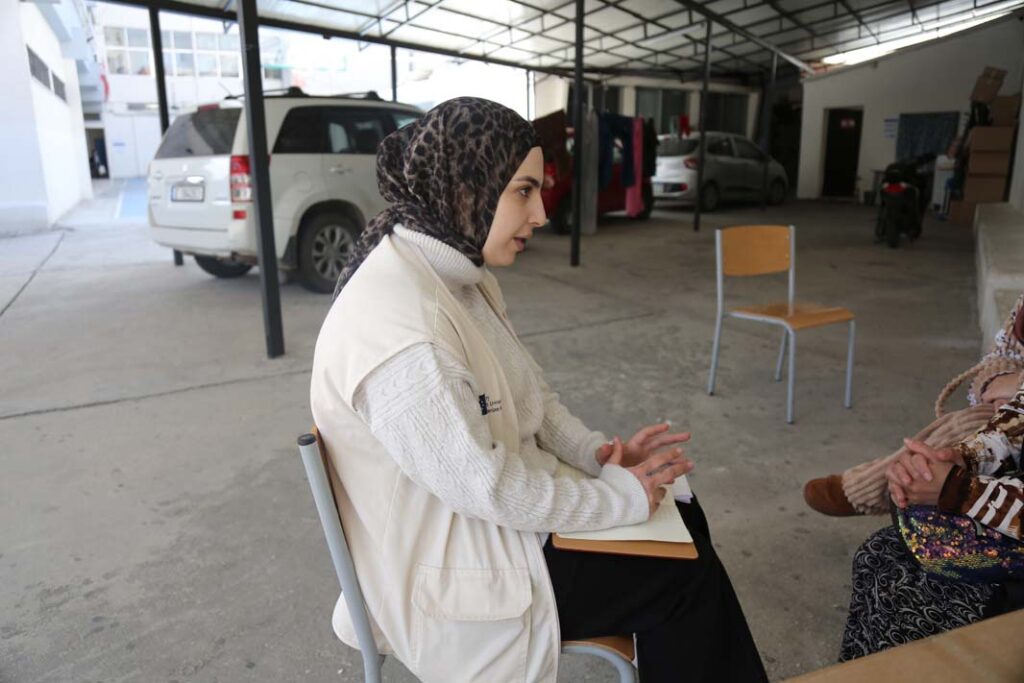
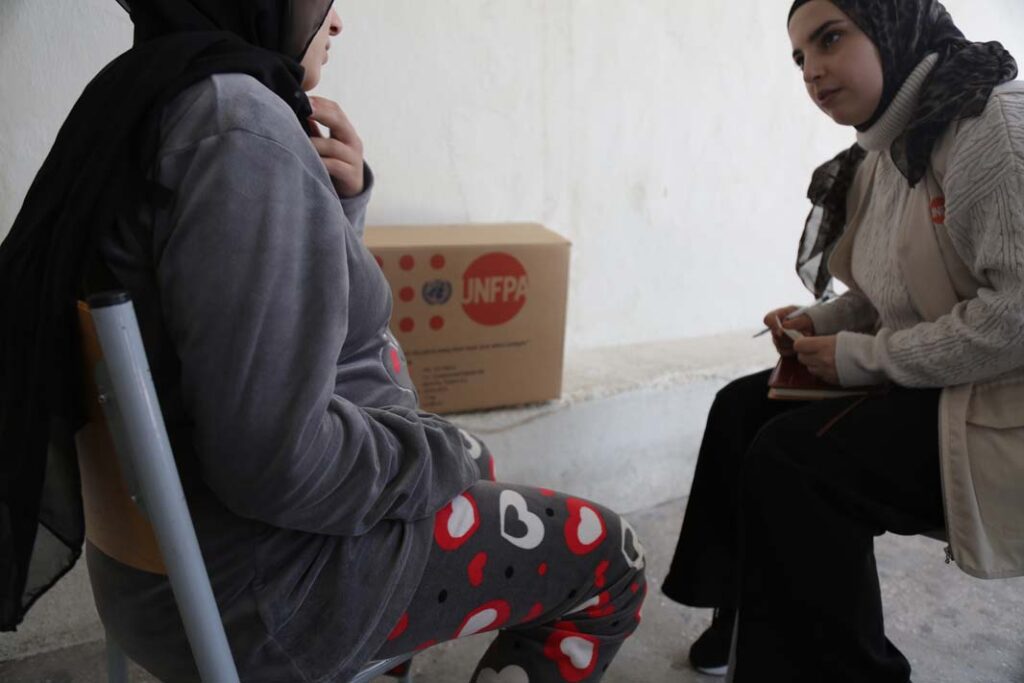
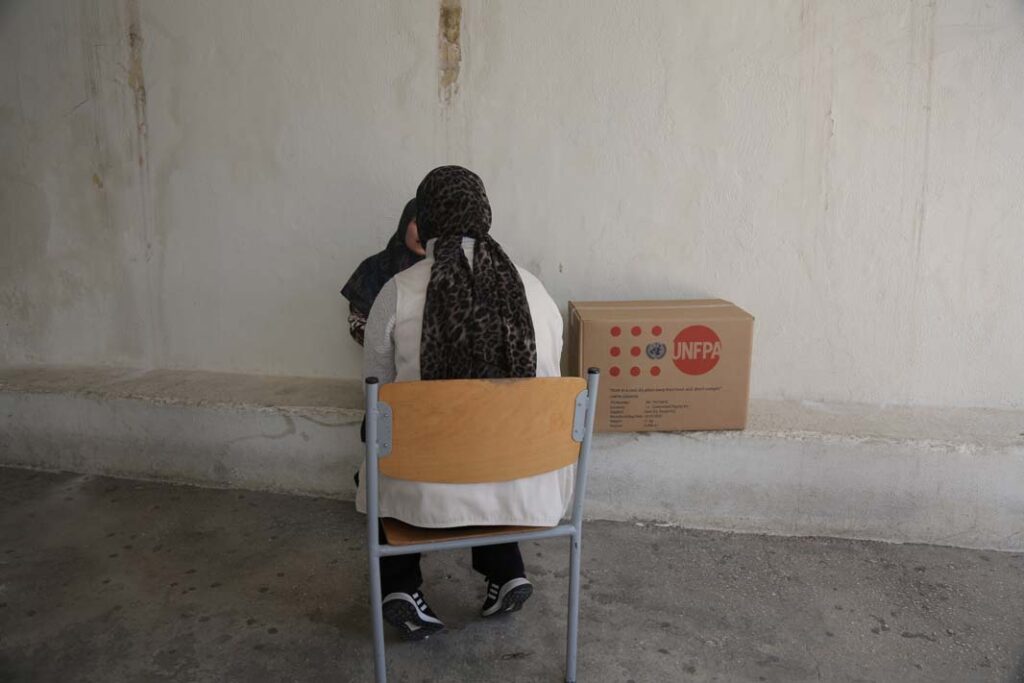
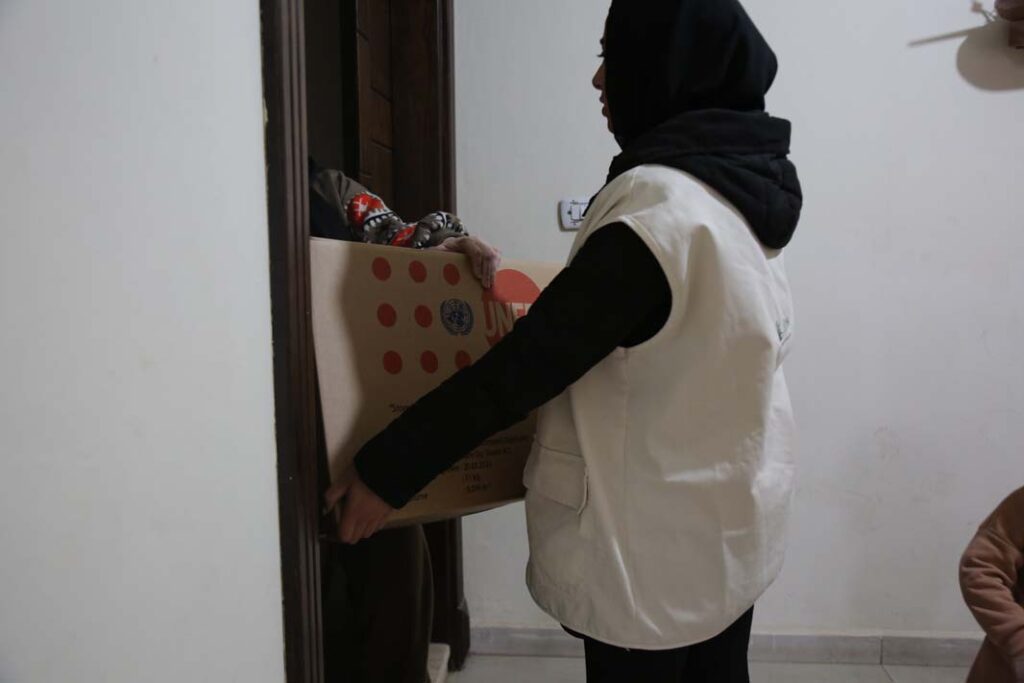
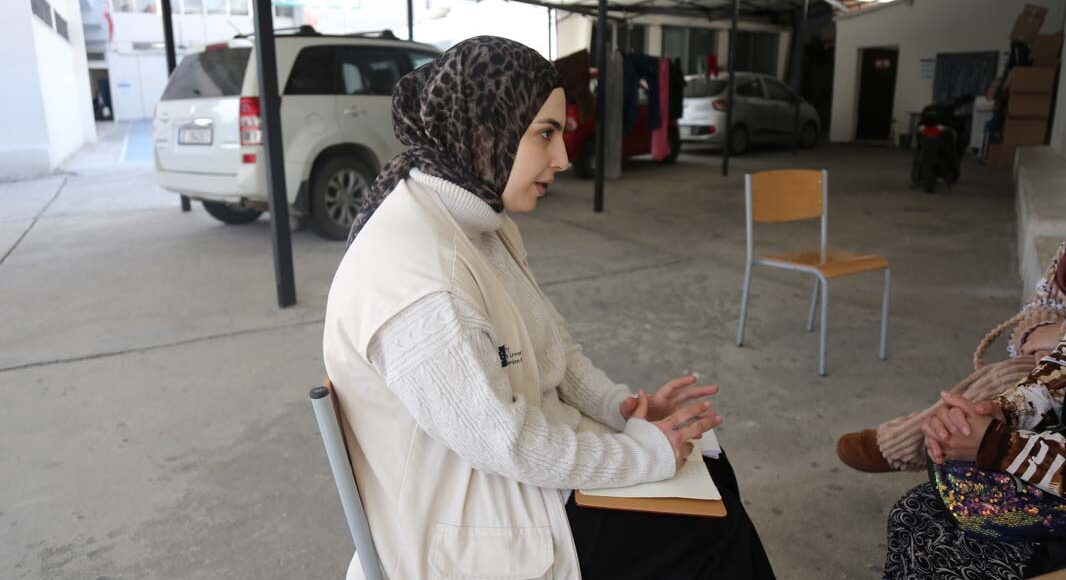
Through community outreach, SALAMA’s team identified Hanan during a home visit, recognizing that displaced families hosted in houses are often among the least visible yet most vulnerable. During the visit, Hanan received midwifery consultations and follow-up, where the healthcare provider assessed her condition, explained the warning signs related to pregnancy complications, and provided her with much-needed guidance and reassurance.
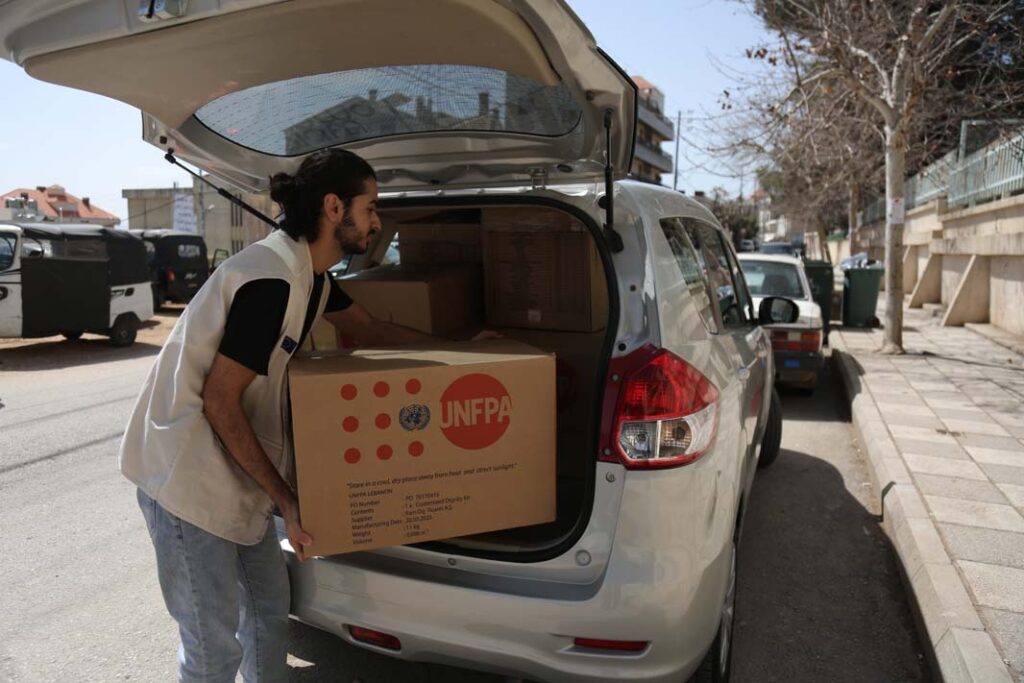
Recognizing the urgency of her condition, SALAMA also referred her for laboratory testing and ensured she received the medication she needed to support her health and pregnancy.
Hanan shared that before the visit, she had been deeply worried and unsure how she would manage her pregnancy under such difficult conditions.
“I was scared for my baby and for myself. We had fled with nothing, and I didn’t know where to go or how to get care. When SALAMA came to the house, examined me, and helped me get the tests and medicine I needed, I felt relief for the first time since we left home.”
Thanks to the support she received, Hanan was able to continue her pregnancy with closer monitoring and greater awareness of how to protect her health. Her story highlights the critical importance of reaching displaced women outside formal shelters, especially pregnant women facing serious health risks in silence and isolation