Reaching Women Left Behind
In one of the conflict-affected areas, “Fatima” (pseudonym), a 38-year-old mother of six, continues to live in her home despite the destruction caused by airstrikes. Part of the house was severely damaged during the escalation, and in the same attack, Fatima lost her husband. Since that day, her life has changed completely.
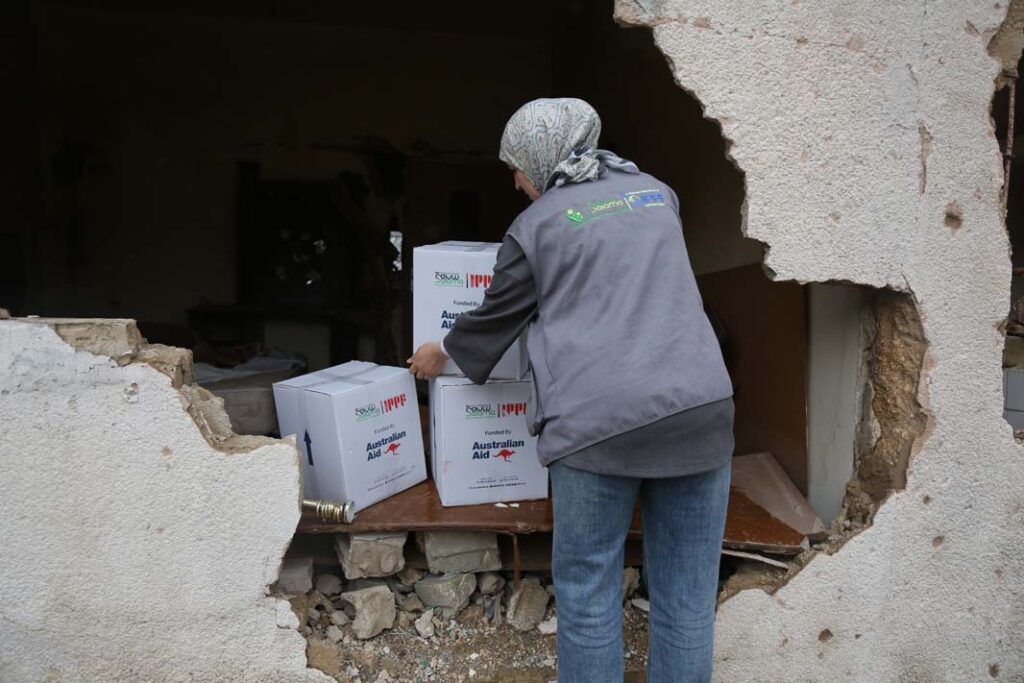
Unable to leave due to her children’s needs, lack of resources, and fear of displacement into overcrowded shelters, Fatima remained in the damaged house, trying to protect her children while coping with grief, trauma, and overwhelming responsibility. Like many women who stay behind in partially damaged homes, she was largely invisible to aid efforts, as most assistance was concentrated in collective shelters and displacement centers.
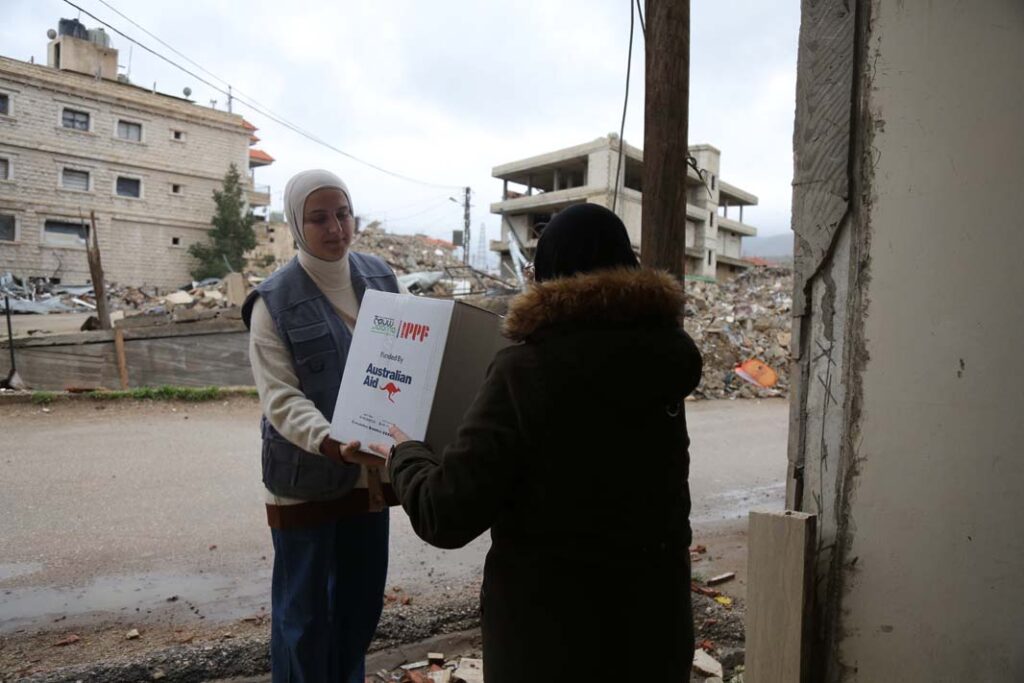
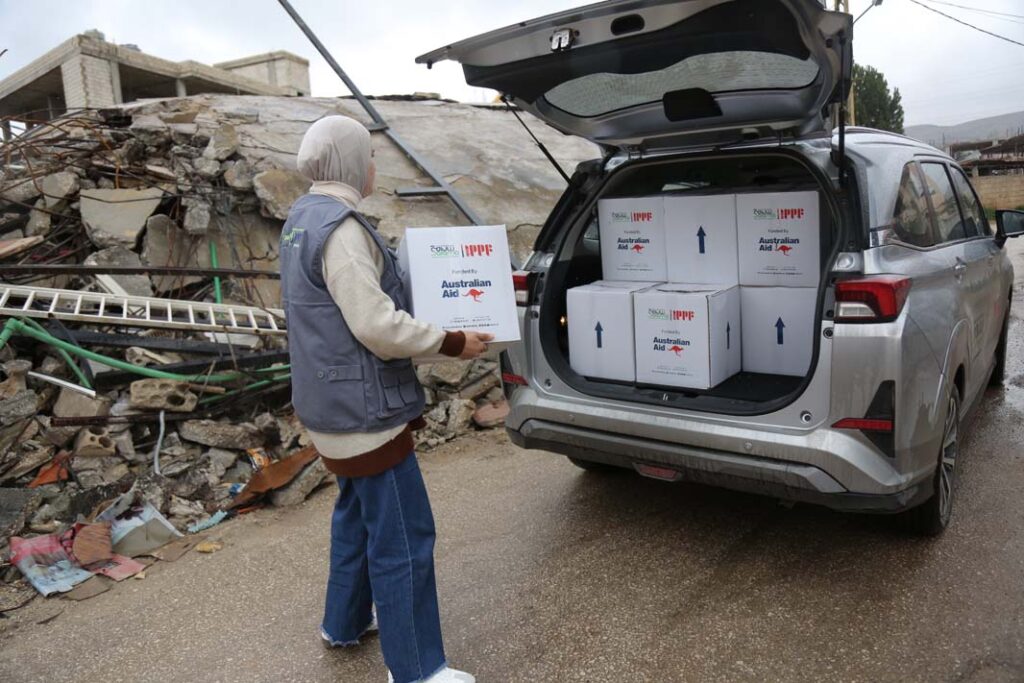
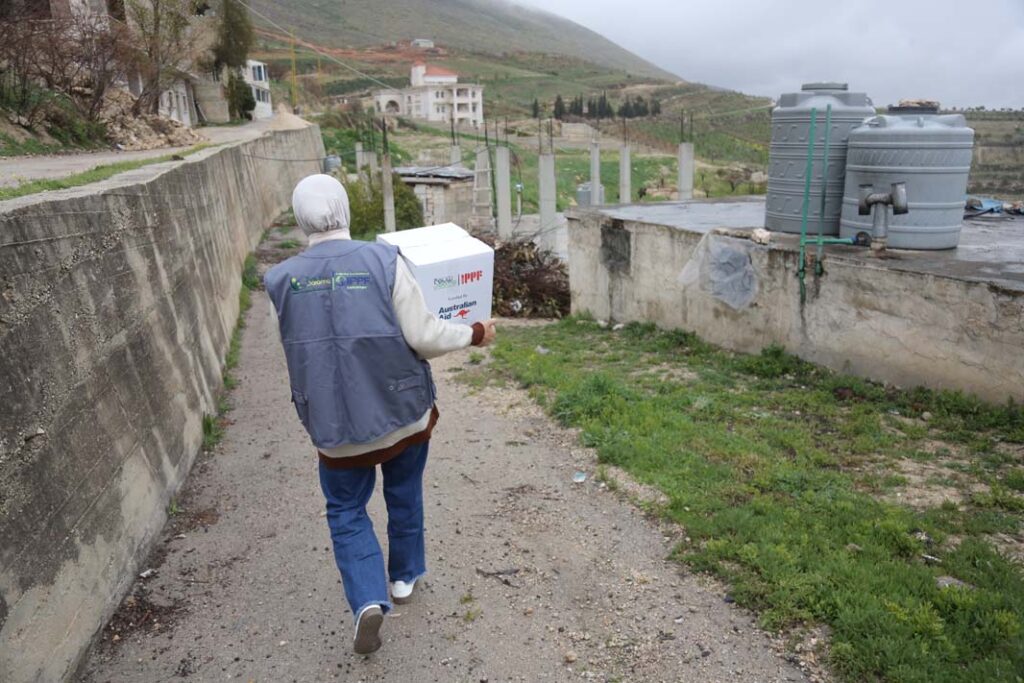
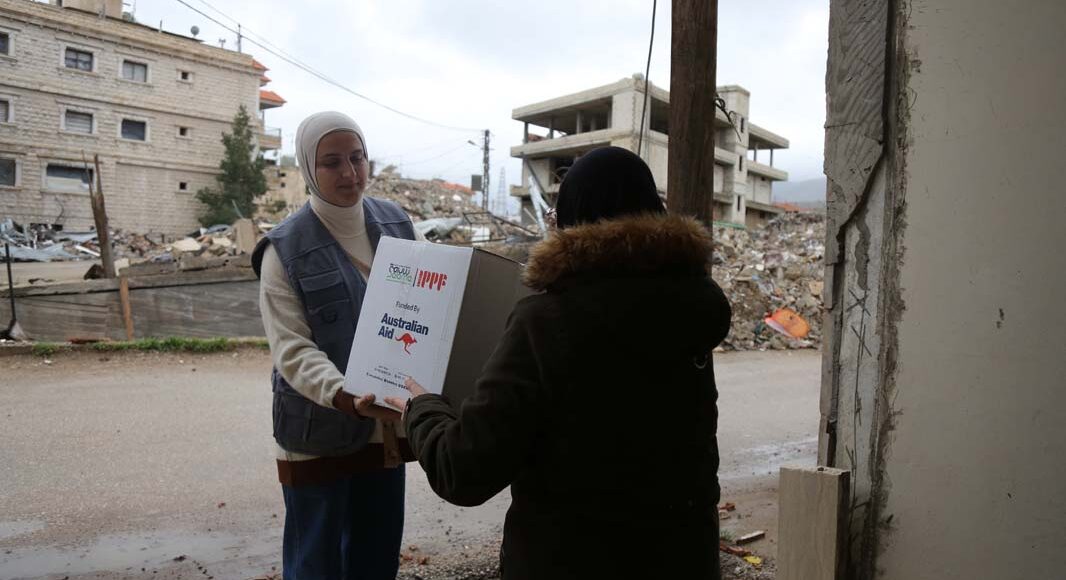
During outreach activities, SALAMA’s team reached Fatima directly at her home, recognizing that many vulnerable families who remain in their houses are often excluded from life-saving support. Through this outreach, Fatima was provided with sexual and reproductive health (SRH) and gender-based violence (GBV) services, including psychosocial support, awareness, and confidential guidance tailored to her situation.
She also received a dignity kit, containing essential hygiene items that she and her daughters urgently needed but could no longer afford or access due to the crisis and the destruction around them.
Fatima shared that beyond the material support, what affected her most was that someone came to her when she felt forgotten.
“After my husband died, I felt that the world had moved on and left us behind. When SALAMA came to my house, listened to me, and supported me, I felt for the first time that we were not alone.”
The support helped Fatima regain a small sense of stability and dignity in the midst of profound loss. For her daughters, it also meant seeing that help could still reach them even in isolation.
Fatima’s story is a powerful reminder that in times of crisis, some of the most vulnerable women are not always in shelters—they are the ones left behind in damaged homes, carrying grief, fear, and survival on their own. Reaching them through community-based outreach is not only essential, but lifesaving.