Reaching the Most Vulnerable: A Pregnant Mother’s Journey to Dignity and Survival
Amid the devastating impact of the ongoing war in Lebanon, “Rana” (pseudonym), a 32-year-old pregnant mother of three, found herself struggling to survive under unimaginable conditions. When the airstrikes intensified near her village, her family home was completely destroyed, forcing her, her husband, and their three young children to flee with nothing but the clothes they were wearing.
Displaced and traumatized, the family sought shelter in an overcrowded informal setting in the Bekaa region. With her husband suddenly unemployed due to the crisis, the family quickly fell into severe poverty. With no income and rising food prices, they were forced to adopt negative coping mechanisms—most notably, reducing their food intake drastically. The family survived on only one meal per day, often prioritizing the children while Rana, already vulnerable due to her pregnancy, skipped meals entirely.
“I used to pretend I wasn’t hungry so my children could eat,” Rana shared. “Some days, we had nothing left at all.”
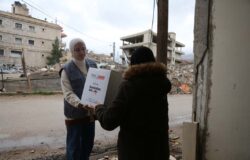
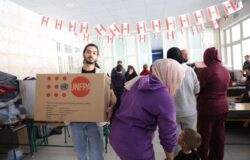
During one of SALAMA’s outreach visits targeting displaced and hard-to-reach families, the team identified Rana’s case. Recognizing her vulnerability as a pregnant woman living in extreme poverty, the team immediately enrolled her in support services under the Australian Aid SPRINT project.
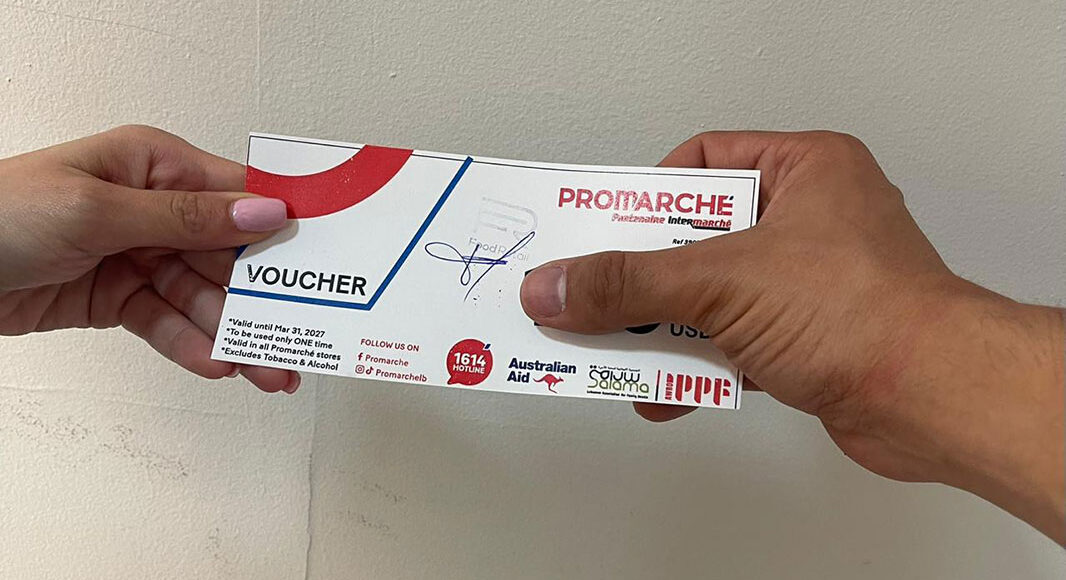
Through this intervention, Rana began receiving food vouchers, which marked a turning point for her family.
“The food voucher gave us back something we had lost—our dignity,” she said.
With the vouchers, Rana was able to purchase essential food items of her choice, ensuring that her children had access to nutritious meals again. For the first time in weeks, the family was able to eat more than once a day. Rana could also prioritize her own nutrition, which is critical for her pregnancy and the health of her unborn child.
The impact extended beyond food security. The psychological relief was equally profound. Knowing that she could provide for her children reduced her stress and anxiety, allowing her to focus on her health and prepare for childbirth with a renewed sense of hope.
SALAMA’s timely outreach and targeted assistance not only prevented further deterioration of the family’s condition but also restored a sense of stability during a time of chaos and uncertainty.
“I no longer feel helpless,” Rana said. “This support reminded me that we are not alone.”
This story reflects the critical importance of flexible, dignity-based assistance such as food vouchers in emergency contexts. Through the Australian Aid SPRINT project, SALAMA continues to reach the most vulnerable families, ensuring that no one is left behind—even in the most difficult circumstances.